
Business
Essential Skills Necessary to Have as a Bookkeeper

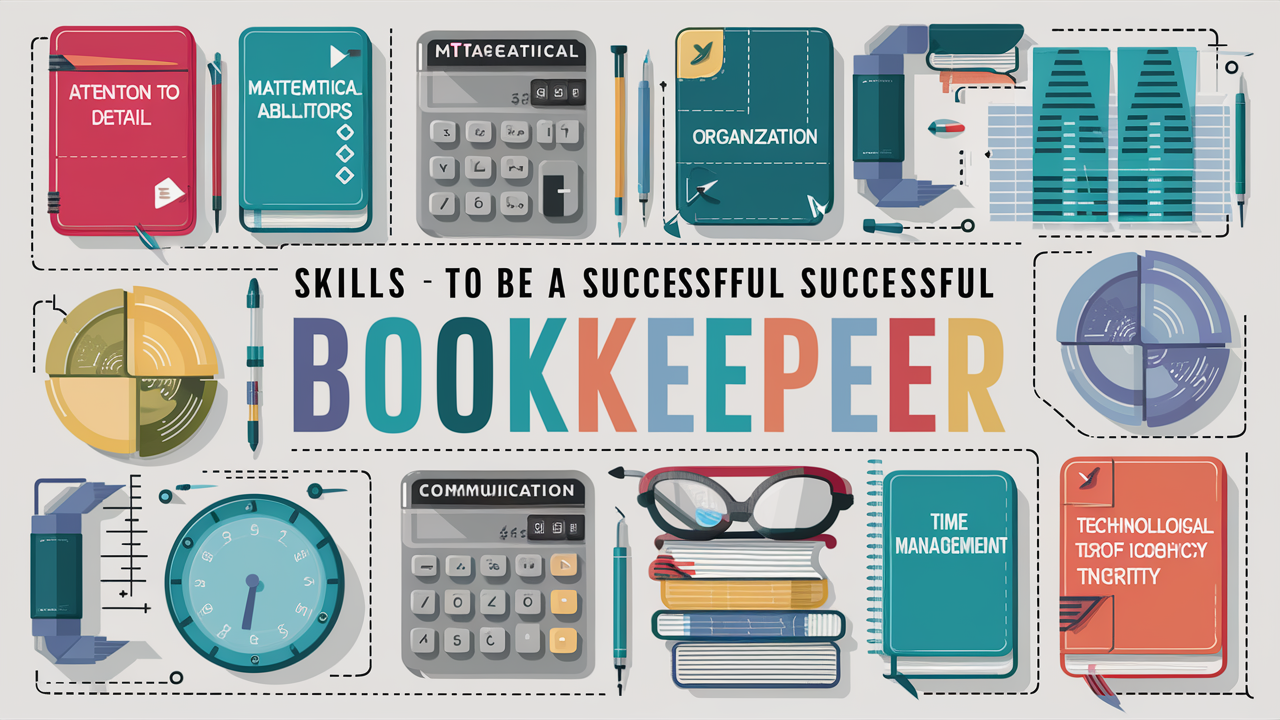
Essential Skills Necessary to Have as a Bookkeeper are the foundation of success in one of the most important roles within any business. Bookkeepers help organizations maintain accurate financial records, monitor transactions, manage accounts, and support informed decision-making. Whether working for a small business, a large corporation, or as an independent professional, a bookkeeper plays a critical role in ensuring financial information remains organized and reliable. As businesses become increasingly dependent on accurate financial data, the demand for skilled bookkeepers continues to grow. Understanding the abilities required to perform this role effectively can help aspiring professionals build successful careers while helping businesses maintain financial stability and compliance. From technical accounting knowledge to communication and problem-solving abilities, bookkeepers need a broad range of skills to excel in today’s business environment.
Understanding the Role of a Bookkeeper
Before exploring the Essential Skills Necessary to Have as a Bookkeeper, it is important to understand the responsibilities associated with the profession. A bookkeeper records financial transactions, maintains ledgers, reconciles accounts, tracks expenses, and helps ensure financial records remain accurate.
Businesses rely on bookkeepers to provide organized financial information that supports budgeting, planning, and reporting. Without accurate bookkeeping, companies may struggle to manage cash flow, prepare taxes, or make informed financial decisions.
The role requires both technical expertise and attention to detail. Successful bookkeepers contribute directly to the financial health and operational efficiency of an organization.
Attention to Detail
One of the most important Essential Skills Necessary to Have as a Bookkeeper is attention to detail. Financial records must be accurate because even minor errors can lead to significant problems.
A misplaced decimal point, incorrect entry, or overlooked transaction can affect reports, budgets, and tax filings. Bookkeepers must carefully review information to ensure accuracy and consistency.
Attention to detail also helps identify discrepancies, duplicate entries, and unusual transactions before they become larger issues. This skill supports financial integrity and helps businesses avoid costly mistakes.
Professionals who develop strong attention to detail often become highly valued members of their organizations.
Strong Organizational Skills
Organization is another key component of the Essential Skills Necessary to Have as a Bookkeeper. Financial records involve large amounts of information that must be managed efficiently.
Bookkeepers handle invoices, receipts, account statements, payroll records, expense reports, and numerous other financial documents. Maintaining organized systems helps ensure information can be located quickly when needed.
Strong organizational skills improve productivity, reduce errors, and support compliance with reporting requirements. Businesses depend on organized financial records to make informed decisions and respond effectively to audits or reviews.
An organized bookkeeper creates efficiency across the entire financial process.
Numerical Proficiency
Working with numbers is a daily responsibility for bookkeepers. As a result, numerical proficiency ranks among the most critical Essential Skills Necessary to Have as a Bookkeeper.
Bookkeepers regularly calculate totals, reconcile balances, review transactions, and analyze financial information. Comfort with numbers helps ensure accuracy and efficiency.
While modern software automates many calculations, bookkeepers still need the ability to understand numerical relationships and identify inconsistencies. Strong mathematical skills support better decision-making and error detection.
Confidence with numbers also allows professionals to work more effectively under pressure and meet deadlines consistently.
Knowledge of Accounting Principles
Understanding basic accounting principles is one of the core Essential Skills Necessary to Have as a Bookkeeper. Although bookkeepers are not always responsible for advanced accounting tasks, they must understand the fundamentals that govern financial reporting.
Concepts such as debits and credits, assets, liabilities, equity, revenue, and expenses form the basis of bookkeeping activities. A strong understanding of these principles ensures transactions are recorded correctly.
Accounting knowledge helps bookkeepers communicate effectively with accountants, financial managers, and business owners. It also improves the accuracy and reliability of financial records.
Professional competence begins with a solid understanding of accounting fundamentals.
Proficiency with Accounting Software
Technology has transformed the bookkeeping profession. Therefore, software proficiency has become one of the most valuable Essential Skills Necessary to Have as a Bookkeeper.
Modern businesses rely on accounting systems to record transactions, generate reports, manage payroll, and track expenses. Bookkeepers must be comfortable using these tools efficiently.
Software proficiency improves productivity, reduces manual errors, and enables professionals to handle larger volumes of financial information. Familiarity with digital tools also increases career opportunities in a competitive job market.
As technology continues to evolve, ongoing learning remains essential for long-term success.
Time Management Skills
Bookkeepers often manage multiple responsibilities simultaneously. Meeting deadlines requires effective planning and prioritization.
For this reason, time management belongs among the most important Essential Skills Necessary to Have as a Bookkeeper. Financial reports, payroll processing, tax preparation, and account reconciliations often operate on strict schedules.
Strong time management helps professionals balance competing demands while maintaining accuracy. It also reduces stress and improves overall productivity.
Successful bookkeepers understand how to allocate their time efficiently and maintain consistent performance throughout busy periods.
Communication Skills
Many people assume bookkeeping is solely about numbers, but communication plays a significant role as well. Effective communication is one of the often-overlooked Essential Skills Necessary to Have as a Bookkeeper.
Bookkeepers interact with business owners, managers, accountants, vendors, clients, and employees. They must explain financial information clearly and respond to questions professionally.
Good communication supports collaboration and helps prevent misunderstandings. It also allows bookkeepers to present financial information in a way that non-financial professionals can understand.
Clear communication strengthens relationships and contributes to organizational success.
Problem-Solving Abilities
Financial discrepancies occasionally occur despite careful procedures. When issues arise, problem-solving becomes one of the most valuable Essential Skills Necessary to Have as a Bookkeeper.
Bookkeepers must investigate inconsistencies, identify causes, and implement appropriate solutions. This process requires analytical thinking and attention to detail.
Problem-solving skills help professionals resolve errors efficiently while maintaining financial accuracy. Businesses depend on bookkeepers to identify concerns before they affect operations or compliance.
Strong problem-solvers often contribute additional value beyond routine bookkeeping responsibilities.
Integrity and Ethical Judgment
Financial information is highly sensitive. Therefore, integrity ranks among the most important Essential Skills Necessary to Have as a Bookkeeper.
Bookkeepers frequently handle confidential data, including payroll information, financial statements, and business transactions. Maintaining trust requires honesty, discretion, and ethical decision-making.
Employers rely on bookkeepers to manage financial records responsibly and accurately. Ethical conduct helps protect both the organization and its stakeholders.
A reputation for integrity can significantly enhance professional credibility and career opportunities.
Adaptability and Continuous Learning
The financial world evolves constantly. Regulations, technologies, and business practices change over time, making adaptability one of the essential Essential Skills Necessary to Have as a Bookkeeper.
Professionals who embrace learning remain better prepared to handle new challenges and opportunities. They stay current with software updates, reporting requirements, and industry best practices.
Adaptability supports long-term career growth and ensures bookkeepers remain valuable contributors in changing business environments.
Continuous learning is often a defining characteristic of successful professionals.
Analytical Thinking
Bookkeepers do more than record transactions. They often review financial information to identify trends, anomalies, and opportunities for improvement.
Analytical thinking is therefore among the key Essential Skills Necessary to Have as a Bookkeeper. This skill enables professionals to interpret data and provide meaningful insights.
Businesses benefit when bookkeepers recognize patterns that may indicate cash flow concerns, unusual spending, or operational inefficiencies. Analytical thinking transforms financial data into actionable information.
Professionals who develop strong analytical abilities often advance into broader financial roles.
Accuracy Under Pressure
Deadlines are common in bookkeeping. Payroll schedules, reporting periods, tax deadlines, and month-end closings all require timely completion.
Maintaining accuracy under pressure is one of the critical Essential Skills Necessary to Have as a Bookkeeper. Errors made during busy periods can create significant complications later.
Successful bookkeepers remain focused even when managing multiple priorities. They develop processes that support consistency and minimize mistakes.
The ability to perform accurately under pressure enhances reliability and professional reputation.
Customer Service and Professionalism
Bookkeepers frequently interact with clients, vendors, and internal stakeholders. Professional behavior contributes significantly to workplace success.
Customer service skills are increasingly recognized as part of the Essential Skills Necessary to Have as a Bookkeeper because financial professionals often serve as important points of contact.
Professionalism includes responsiveness, respect, reliability, and a commitment to quality service. Positive interactions help build trust and strengthen business relationships.
Strong interpersonal skills often distinguish exceptional bookkeepers from average performers.
Data Management and Record Keeping
Effective record management remains a core responsibility within bookkeeping. Accurate documentation supports audits, reporting requirements, and financial transparency.
Data management is one of the practical Essential Skills Necessary to Have as a Bookkeeper because businesses depend on accessible and organized records.
Bookkeepers must understand how to store, retrieve, and protect financial information efficiently. Proper record keeping supports compliance and improves operational effectiveness.
Strong documentation practices reduce risk and contribute to overall business stability.
The Value of Professional Development
Developing the Essential Skills Necessary to Have as a Bookkeeper requires ongoing effort and commitment. Professional development helps individuals strengthen existing abilities while acquiring new competencies.
Training programs, certifications, workshops, and practical experience all contribute to skill enhancement. Continuous improvement increases confidence, competence, and career opportunities.
Employers often value professionals who actively invest in their growth and demonstrate a commitment to excellence.
Lifelong learning remains one of the most effective strategies for long-term success in bookkeeping.
Conclusion
Understanding the Essential Skills Necessary to Have as a Bookkeeper is critical for anyone seeking success in this important profession. Attention to detail, organizational ability, numerical proficiency, accounting knowledge, software expertise, communication, integrity, and problem-solving all contribute to effective performance.
As businesses continue to rely on accurate financial information, skilled bookkeepers remain indispensable. The profession requires more than technical knowledge; it demands professionalism, adaptability, and a commitment to accuracy.
By developing these essential skills, bookkeepers can build rewarding careers while providing significant value to organizations of all sizes. Strong bookkeeping practices support financial stability, informed decision-making, and long-term business success, making skilled professionals an essential part of every successful organization.
Business
Hanging Hardie Siding: Complete 2026 Guide to Installation, Tools, Costs, and Best Practices
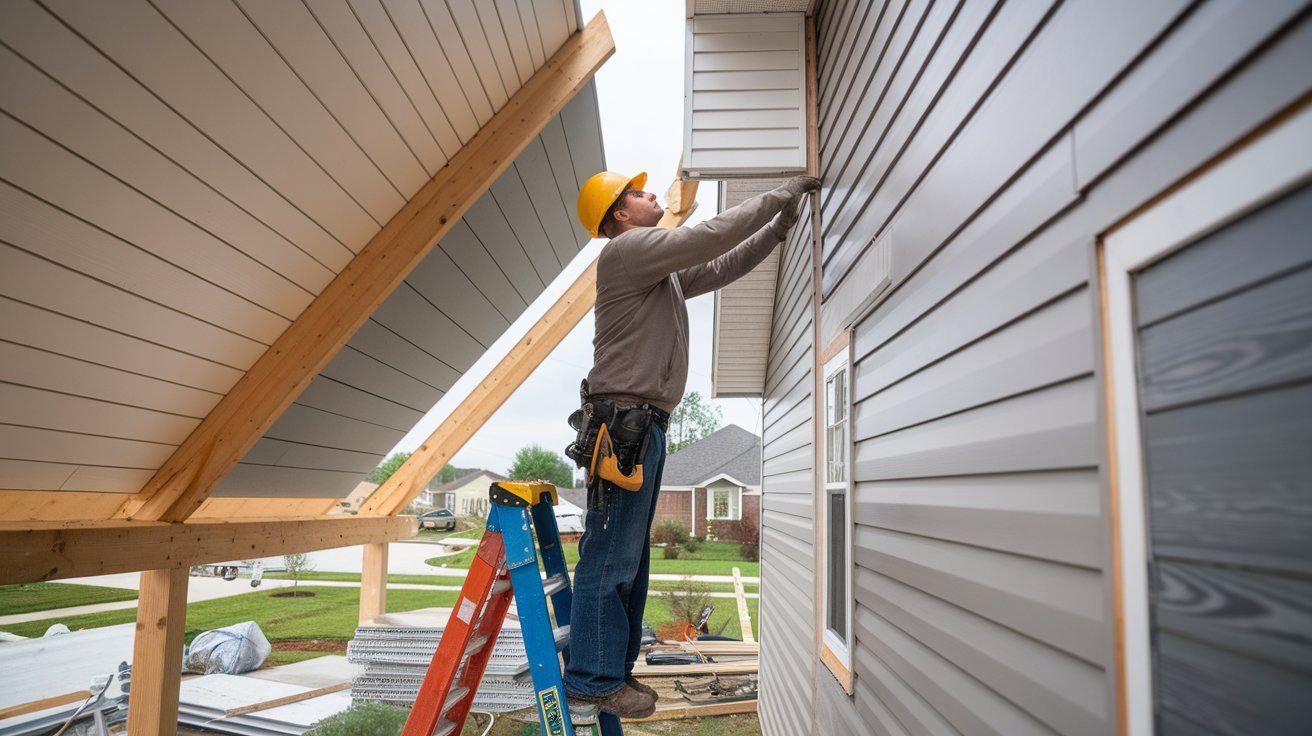
Hanging Hardie siding is a popular way to give a home a durable, attractive exterior while achieving the appearance of traditional wood siding. Commonly associated with James Hardie fiber-cement siding, the material is designed to withstand demanding exterior conditions while offering a wide range of colors, profiles, and architectural styles.
In 2026, Hardie siding continues to be available in several formats, including Hardie Plank lap siding, Hardie Panel, Hardie Shingle, and Hardie Artisan siding. Proper installation is essential because fiber cement is a rigid material that must be supported, fastened, flashed, and spaced correctly. James Hardie recommends using approved fasteners and following the installation instructions specific to the product and region.
Whether we are replacing old siding, constructing a new home, or planning an exterior renovation, understanding how Hardie siding is hung helps us make better decisions about preparation, fastening, moisture management, cutting, finishing, and long-term maintenance.
What Is Hanging Hardie Siding?
The phrase hanging Hardie siding generally refers to installing fiber-cement siding panels or planks onto the exterior walls of a house. Unlike lightweight vinyl siding, Hardie fiber cement is relatively rigid and requires appropriate handling, support, and fastening.
For traditional Hardie Plank lap siding, installation normally begins with a properly prepared wall assembly, weather-resistive barrier and flashing where required, followed by a starter strip and successive horizontal courses. James Hardie specifically notes that Hardie Plank lap siding requires a starter strip beneath the first course. A starter strip can be made by ripping a suitable piece of Hardie Plank into approximately 1-1/4-inch strips, or an acceptable third-party starter strip may be used.
The exact installation details depend on the product. Hardie Panel, Shingle, Artisan, and lap siding each have their own requirements. We should therefore avoid treating one installation procedure as universal for every Hardie product.
Proper installation is important not only for appearance but also for water management, wind resistance, structural performance, and product durability.
Preparing the Wall Before Hanging Hardie Siding
Good siding installation starts long before the first plank is attached. The exterior wall should be inspected for structural damage, moisture intrusion, rot, uneven surfaces, and deteriorated sheathing. Existing problems should be corrected before new siding covers the wall.
The wall assembly should include the required weather-resistive barrier (WRB), flashing, drainage provisions, and trim details according to the applicable James Hardie installation instructions and local building code. James Hardie maintains product-specific technical documents covering clearance requirements, installation details, and other construction information.
We should also establish accurate reference lines before installing the first course. A level starting point is extremely important because small errors at the bottom of the wall can become increasingly obvious as additional rows are installed.
Windows, doors, corners, roof intersections, decks, and other penetrations deserve particular attention. These locations require proper flashing and clearance details so water does not become trapped behind the siding.
The goal is to create a wall assembly in which water is managed safely rather than relying on caulk alone to prevent moisture intrusion.
How to Hang Hardie Plank Siding
Once the wall has been prepared, we can begin installing the lap siding. The basic process involves establishing the starter strip, installing the first course, maintaining the specified exposure, fastening each plank correctly, and staggering joints as the installation progresses.
For walls longer than the available siding length, multiple pieces may need to be joined. James Hardie’s installation guidance recommends staggering butt joints between successive courses to produce a better appearance and avoid creating an obvious vertical pattern. For 16-inch on-center framing, adjacent butt joints should generally be separated by at least two stud bays; for 24-inch on-center framing, the guidance specifies one bay.
Fastener placement is another critical consideration. James Hardie states that Hardie siding should be installed with approved fasteners, including corrosion-resistant, galvanized, or stainless-steel fasteners, and that spacing should follow the applicable wind-load tables.
James Hardie generally recommends blind nailing for an unobtrusive appearance, although other methods, including face nailing, may be required in certain applications or high-wind areas.
We should never simply copy nail spacing from another project because the correct requirements can vary according to the specific siding product, framing, wind exposure, and local code.
Tools and Safety for Hanging Hardie Siding
Installing fiber-cement siding requires more specialized preparation than many lightweight siding materials. Typical tools may include a measuring tape, level, chalk line, siding gauge, fastening equipment, cutting equipment, drill, utility tools, ladders or scaffolding, and appropriate personal protective equipment.
Cutting Hardie siding requires particular attention to dust control. Fiber-cement products can generate respirable crystalline silica dust when cut, so installers should follow the manufacturer’s recommended cutting procedures and applicable workplace safety requirements. James Hardie provides guidance intended to reduce dust generated during cutting.
We should also use proper lifting and handling techniques because siding boards can be heavy and rigid. Working from ladders or elevated platforms introduces additional fall hazards, making appropriate equipment and safe work practices essential.
For homeowners without experience handling fiber cement, hiring a qualified siding contractor can be safer and more reliable than attempting a complete exterior installation independently. James Hardie itself recommends that full siding projects be undertaken by siding professionals familiar with fiber-cement installation.
Moisture Management, Trim, and Clearance
One of the most important aspects of hanging Hardie siding is understanding that the siding itself is only one part of the exterior wall system. Flashing, WRB, trim, drainage, and clearances work together to protect the structure.
At corners, windows, doors, and other transitions, installers must follow the applicable product instructions rather than improvising details. James Hardie’s current technical resources provide installation documentation for individual products and emphasize correct clearance and installation procedures.
In 2026, James Hardie is also promoting its Trim-Over™ Installation Method, an alternative approach in which siding is installed before certain trim components. The method uses score-and-snap cutting and allows trim to cover cut edges, potentially reducing caulking and improving installation efficiency. James Hardie reports that installation studies demonstrated an approximately 30% increase in average installation rate compared with butt-to installation.
However, the Trim-Over method is not a reason to ignore standard installation requirements. James Hardie specifically states that installers should follow its installation instructions and local building codes, including appropriate flashing over the WRB at corners.
Hanging Hardie Siding Cost in 2026
The cost of hanging Hardie siding depends on several variables, including house size, siding profile, labor rates, wall height, existing siding removal, sheathing repairs, trim requirements, flashing, insulation or WRB work, accessibility, and geographic location.
A straightforward replacement project can be considerably less complicated than a complete exterior renovation in which the old siding is removed and underlying moisture damage is discovered.
The overall budget may include:
- Hardie siding materials
- Starter strips and accessories
- Trim and corner boards
- Fasteners
- WRB and flashing
- Labor
- Old siding removal
- Disposal fees
- Wall repairs
- Painting or touch-up work
- Scaffolding or specialized access
- Permits where applicable
Hardie Plank products currently advertise a 30-year non-prorated, transferable substrate warranty, while ColorPlus® finishes are designed to provide a durable factory-applied finish. Exact warranty terms vary by product and should be reviewed before purchase.
Rather than choosing a contractor solely on the lowest estimate, we should compare detailed quotations that specify materials, preparation, installation method, flashing, trim, removal, cleanup, warranty, and repairs.
Hardie Siding Maintenance and Common Installation Mistakes
One major advantage of fiber-cement siding is its relatively low-maintenance nature, but correct installation remains essential. Regular inspections can help identify damaged boards, failed sealant, clearance problems, or areas where water may be entering the wall assembly.
Common installation mistakes include incorrect nail placement, insufficient flashing, improper starter-strip installation, inadequate clearances, poorly staggered joints, excessive reliance on caulk, and failure to follow product-specific instructions.
We should also avoid assuming that every Hardie product can be installed using the same technique. Hardie Plank, Hardie Shingle, Hardie Panel, and Artisan siding have different installation requirements. James Hardie’s official installation resources provide separate guidance for these products.
Proper maintenance is relatively straightforward: inspect the exterior periodically, keep drainage paths clear, check vulnerable transitions, and address damage before it spreads.
Final Verdict: Is Hanging Hardie Siding Worth It in 2026?
Hanging Hardie siding can be an excellent exterior renovation choice when durability, appearance, fire performance, and long-term value are priorities. James Hardie’s fiber-cement products are available in numerous styles, including traditional lap siding and more architectural profiles, allowing us to create everything from a classic exterior to a modern contemporary design. James Hardie states that its siding complies with ASTM E136 as a noncombustible cladding, although the fire performance does not extend to applied paints or coatings.
The most important factor is installation quality. Even premium siding can perform poorly if the wall is inadequately prepared, flashing is missing, fasteners are incorrectly placed, or clearances are ignored.
For 2026 projects, the best approach is to select the correct Hardie product, follow its current installation documentation, use appropriate fasteners and moisture-management details, maintain proper clearances, and work with an experienced fiber-cement siding professional when the project exceeds basic DIY capabilities.
When installed correctly, Hardie siding can provide a durable, attractive, low-maintenance exterior that combines modern performance with the appearance homeowners want.
Frequently Asked Questions
Can we hang Hardie siding ourselves?
Some experienced homeowners may be able to handle portions of a siding project, but James Hardie recommends professional installation for complete siding projects because fiber cement requires specialized handling and installation knowledge.
How long does it take to hang Hardie siding?
James Hardie says a typical average-sized home generally takes approximately seven to 14 days, depending on the home’s size and whether repairs are required before installation.
What fasteners should be used for Hardie siding?
James Hardie specifies approved fasteners and says they should be corrosion-resistant, galvanized, or stainless steel, with spacing determined according to applicable requirements.
Does Hardie siding need a starter strip?
For Hardie Plank lap siding, a starter strip is required beneath the first course.
Is Hardie siding fire resistant?
James Hardie states that its siding complies with ASTM E136 as a noncombustible cladding. However, the fire performance of the fiber-cement product does not automatically apply to paints or coatings placed over it.
What is the Trim-Over method?
The Hardie Trim-Over™ method installs siding before certain trim components and uses trim to cover cut edges, reducing the amount of caulking required. James Hardie reports increased installation efficiency with this method.
Business
Post LetsBuildUp.org: A Complete 2026 Guide to Community-Driven Content and Digital Engagement

The internet has become a powerful space for collaboration, education, and community engagement. Among the many platforms that encourage meaningful conversations and information sharing, Post LetsBuildUp.org has attracted attention from users looking for community-focused content and opportunities to participate in discussions. Whether you are searching for educational resources, social initiatives, or collaborative projects, understanding how Post LetsBuildUp.org works can help you make the most of its features.
In this comprehensive 2026 guide, we explore what Post LetsBuildUp.org is, its key features, potential benefits, content categories, publishing practices, and why community-driven platforms continue to grow in popularity.
What Is Post LetsBuildUp.org?
Post LetsBuildUp.org refers to content published on the LetsBuildUp.org platform, where contributors share articles, updates, opinions, educational materials, announcements, and community-focused information. The platform emphasizes collaboration, constructive discussions, and the sharing of knowledge that benefits readers.
Rather than focusing solely on entertainment, many community platforms encourage users to create valuable posts that educate, inspire, and inform. This approach helps build trust while creating a growing library of useful information for visitors.
Common types of posts may include:
- Educational articles
- Community announcements
- Volunteer opportunities
- Social awareness campaigns
- Project updates
- Opinion pieces
- Local initiatives
- Success stories
- Resource guides
These content categories help readers stay informed while encouraging participation and collaboration.
Why Community Platforms Like LetsBuildUp.org Matter
Community-based websites have become increasingly important because they connect people around shared goals and interests. Instead of simply consuming information, users can contribute ideas, ask questions, and support meaningful initiatives.
Some of the biggest advantages include:
Knowledge Sharing
Contributors publish detailed articles that help others learn new skills, discover useful resources, and better understand important topics.
Community Collaboration
Interactive discussions encourage members to exchange ideas, solve problems together, and build stronger relationships.
Support for Local and Global Initiatives
Community platforms often highlight nonprofit organizations, educational programs, environmental campaigns, and volunteer opportunities that make a positive impact.
Reliable Information Exchange
Well-written posts can serve as practical references, helping readers make informed decisions based on clear and organized information.
Key Features of Post LetsBuildUp.org
One reason community-focused platforms continue to grow is the variety of features they provide for both readers and contributors.
Easy Content Publishing
Users can publish informative posts covering a wide range of subjects. Clear formatting options make articles easier to read and navigate.
Community Interaction
Readers often engage through comments, discussions, and constructive feedback, creating an active learning environment.
Educational Resources
Many community platforms organize articles into categories, making it simple to locate tutorials, guides, research, and practical advice.
Accessible Design
Modern websites prioritize responsive layouts that work smoothly on smartphones, tablets, and desktop computers, ensuring a consistent experience across devices.
Regular Updates
Frequently updated content keeps readers informed about ongoing projects, events, and newly published resources.
Best Practices for Creating High-Quality Posts
Publishing valuable content requires more than simply writing a few paragraphs. Successful posts are informative, organized, and designed with readers in mind.
Choose a Clear Topic
Focus on one subject and explain it thoroughly. Articles that answer common questions are more useful to readers.
Write an Engaging Introduction
A strong introduction explains the purpose of the article and encourages visitors to continue reading.
Use Descriptive Headings
Organized headings improve readability and allow readers to quickly find the information they need.
Include Accurate Information
Reliable facts and carefully researched content help establish credibility and trust.
Maintain Readability
Short paragraphs, bullet points, and logical organization improve the overall reading experience.
Update Older Content
Refreshing articles with current information ensures they remain relevant throughout 2026 and beyond.
Benefits of Reading and Contributing to LetsBuildUp.org
Participating in community-driven platforms offers advantages for both contributors and readers.
For Readers
Readers gain access to:
- Helpful educational content
- Community news
- Practical guides
- Expert opinions
- Project updates
- Useful resources
- Learning opportunities
For Contributors
Publishing quality articles can help individuals:
- Share expertise
- Build professional credibility
- Support community initiatives
- Encourage meaningful discussions
- Expand their audience
- Develop writing skills
- Promote positive engagement
By consistently creating valuable content, contributors can establish themselves as trusted voices within their communities.
The Future of Community Publishing in 2026
Digital communities continue evolving as technology introduces new ways to collaborate and share information.
Several trends are expected to shape platforms like LetsBuildUp.org:
Artificial Intelligence Assistance
AI-powered writing and editing tools help contributors improve grammar, readability, and organization while maintaining originality.
Enhanced Mobile Experiences
With mobile traffic continuing to grow, websites are increasingly optimized for fast loading and intuitive navigation on smartphones.
Interactive Multimedia Content
Modern articles often combine written content with images, videos, infographics, and downloadable resources to create more engaging experiences.
Greater Community Participation
Improved discussion tools, live events, and collaborative projects encourage users to interact more actively with published content.
Accessibility Improvements
Inclusive design practices ensure that digital resources remain accessible to users with different needs and devices.
These developments strengthen online communities by making information easier to access and contribute.
Conclusion
Post LetsBuildUp.org represents the growing importance of community-driven publishing, where meaningful content, collaboration, and education come together to create valuable online experiences. By offering informative articles, encouraging thoughtful discussions, and supporting initiatives that benefit communities, platforms like LetsBuildUp.org demonstrate how digital spaces can foster learning and positive engagement.
Whether you are a reader looking for reliable information or a contributor eager to share knowledge, participating in community-focused platforms can help build stronger connections, promote constructive conversations, and inspire meaningful change. As digital publishing continues to evolve throughout 2026, quality content and active community participation will remain at the heart of successful online platforms.
Frequently Asked Questions (FAQ)
What is Post LetsBuildUp.org?
Post LetsBuildUp.org refers to articles, updates, and community-focused content published on the LetsBuildUp.org platform.
Who can benefit from reading LetsBuildUp.org?
Students, educators, volunteers, nonprofit organizations, professionals, and community members can all benefit from the educational and collaborative content available on the platform.
What types of content are commonly published?
Common content includes educational guides, community news, project updates, opinion articles, volunteer opportunities, and informative resources.
Why is community-driven publishing important?
It encourages collaboration, knowledge sharing, public engagement, and the exchange of ideas that support personal and community growth.
How can contributors create better posts?
By choosing relevant topics, writing clearly, organizing content with headings, providing accurate information, and updating articles regularly, contributors can create valuable resources for readers.
What is the future of community publishing?
The future includes AI-assisted writing, enhanced mobile accessibility, interactive multimedia, stronger community participation, and improved digital experiences that make information more engaging and accessible.
Business
TravelTweaks Airline Discount Code (2026): How to Find the Best Travel Savings and Maximize Your Flight Budget



Peter Orszag Hair: Hairstyle, Hairline, Rumors, and What We Know in 2026

Matt Danzeisen: Biography, Career, Family, Marriage, and Life in 2026

DreamMeaniing.com USA: Dream Meanings, Symbols, Interpretation, and What You Should Know in 2026

Essential Skills Necessary to Have as a Bookkeeper

Wendy Edgar-Jones: The Film Editor, Mother of Daisy Edgar-Jones, and Her Career Behind the Camera

Ways to Monitor Both Stocks and Digital Assets in One Place
-
 Celebrity3 months ago
Wendy Edgar-Jones: The Film Editor, Mother of Daisy Edgar-Jones, and Her Career Behind the Camera
-
 Business3 months ago
Ways to Monitor Both Stocks and Digital Assets in One Place
-

 Business3 months ago
Easy Outdoor Kitchen Ideas
-

 Business3 months ago
The “Face” Crisis: Will Seedance AI Lose Its Best Creators
-

 Celebrity3 months ago
Jarnette Olsen: The Woman Behind the Success of the Olsen Family
-

 Blog3 months ago
FeedBuzzard Advertise: The Complete 2026 Guide to Smarter Digital Advertising and Better Campaign Performance
-

 Tech3 months ago
Ponas Robotas: The Complete Guide to the Groundbreaking Cyber Thriller Series
-

 Blog3 months ago
Oversite vs Oversight: Meaning, Differences, Grammar, Examples, and Correct Usage (2026 Guide)